Essential Tools to Bring on a Texas Road Trip

Preparing for a Texas road trip means being ready for long distances, changing weather conditions, and stretches of highway where services may be limited. A small set of practical tools can help you handle common roadside problems and stay safe until help arrives.
Basic safety items such as jumper cables, a flashlight, and reflective warning triangles can help in emergency situations. Many vehicles already include some tools—such as a spare tire, jack, and lug wrench—but it’s wise to confirm they are present and in working condition before leaving home.
The sections below outline useful roadside tools and equipment that can help both beginners and experienced road trippers stay prepared while driving across Texas.
Jumper Cables, Flashlights, and Reflective Gear for Roadside Safety
If your vehicle breaks down on a rural highway or late at night, having basic safety equipment can make a major difference.
Jumper cables or a portable jump starter allow you to restart a vehicle with a drained battery without waiting for roadside assistance. Portable jump starters are especially helpful because they do not require another vehicle.
A reliable LED flashlight is another essential item. Compact flashlights or headlamps allow you to see under the hood or change a tire safely after dark.
For visibility, keep reflective warning triangles or emergency reflectors in your vehicle. Placing these behind your car helps alert approaching drivers if you are stopped along the roadside.
A portable phone charger or battery pack can also be helpful when your phone battery is low and you need to contact roadside assistance or navigate to the nearest town.
Safety Preparation for Unexpected Situations
In addition to basic roadside equipment, a few additional safety tools can provide extra peace of mind during long road trips.
Emergency blankets, sometimes called thermal blankets, are compact items designed to retain body heat in unexpected situations. They can be helpful during cold weather or if travelers need to wait for assistance at night.
Another useful item is a portable air compressor for tires. These small devices connect to your vehicle’s power outlet and allow drivers to inflate tires if pressure drops during the trip.
Portable compressors are especially useful when traveling long distances where tire service stations may not be immediately available.
Spare Tires, Jacks, and Tire Repair Tools
Flat tires are one of the most common issues during road travel, especially on long highway drives.
Most vehicles come equipped with a spare tire, jack, and lug wrench, but travelers should check that these tools are present and that the spare tire is properly inflated before leaving on a trip.
Additional helpful items include:
- A portable tire inflator or air compressor
- A tire pressure gauge
- A tire plug or puncture repair kit
- Tire sealant for temporary repairs
These tools can help you manage minor tire problems until you reach a repair shop.
Extra Fluids for Long-Distance Driving
Long drives in hot weather can place extra stress on a vehicle’s engine and cooling system. Carrying a few basic automotive fluids can help if levels run low.
Common items to consider bringing include:
- Engine oil compatible with your vehicle
- Premixed coolant for topping off the radiator reservoir
- Windshield washer fluid
- Distilled water for emergency coolant dilution if needed
Drivers should always wait until the engine has cooled before checking or adding fluids.
Monitoring your dashboard gauges and warning lights can also help you detect potential issues early.
Travel Comfort Tools for Long Texas Drives
Texas road trips often involve long stretches of highway and intense sun exposure, especially during summer months. Packing a few comfort-oriented items can make extended drives much more manageable.
Cooling towels are particularly useful during roadside stops or outdoor breaks. These towels activate with water and provide evaporative cooling that can help reduce body temperature during hot afternoons.
Travelers should also bring sun protection gear, such as sunglasses, hats, and lightweight sun sleeves, especially if they plan to explore roadside attractions or scenic viewpoints.
Another practical item is a reusable water container or insulated water bottle. Keeping water easily accessible helps drivers stay hydrated during long drives across regions where rest stops may be spread far apart.
These simple tools improve comfort while reducing the risk of heat exhaustion during long travel days.
Wrenches, Screwdrivers, and Pliers for Minor Repairs
A compact tool kit can be useful for handling small mechanical problems during a road trip.
Basic hand tools that fit easily in a small storage bag include:
- Phillips and flat-head screwdrivers
- Adjustable wrench
- Needle-nose or standard pliers
- A small socket set
- Duct tape for temporary fixes
These tools are helpful for tightening loose components, securing panels, or making small adjustments until a professional repair is available.
Fuses and Basic Electrical Supplies
Modern vehicles rely heavily on electrical systems. A blown fuse can disable features such as lights, power outlets, or windshield wipers.
Keeping a small assortment of replacement automotive fuses in your glove compartment can help you quickly restore electrical functions.
Other useful items include:
- A simple digital multimeter for checking voltage
- Battery terminal cleaning brushes
- Spare charging cables for mobile devices
While most travelers will not need advanced diagnostics, these tools can help identify simple electrical problems.
Toolboxes and Storage Bags for Organization
Keeping your emergency tools organized makes them easier to find when you need them.
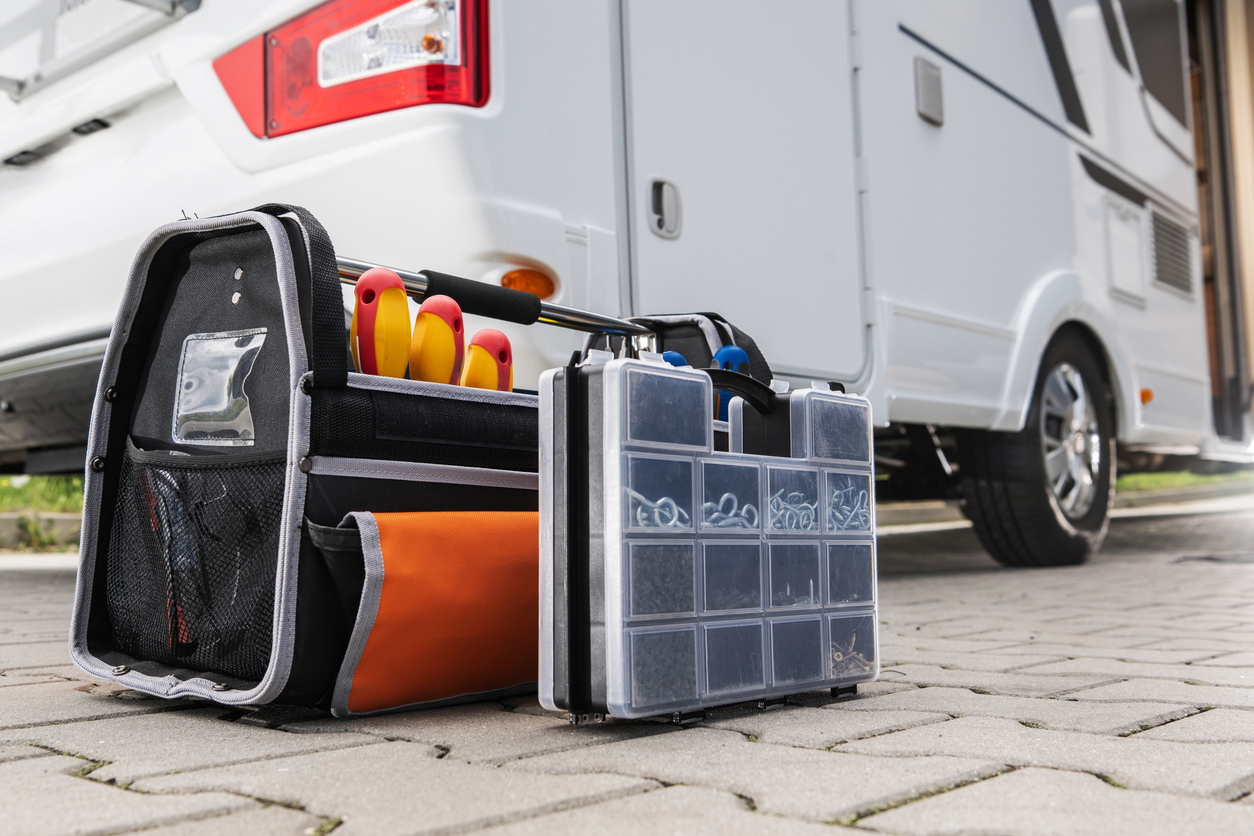
A compact toolbox or durable tool bag allows you to store supplies together without taking up much space in your vehicle. Look for storage containers with compartments or removable trays so smaller items—such as fuses, batteries, and tire tools—stay organized.
Storing your emergency kit in an easy-to-reach area of the trunk or cargo space ensures you can access it quickly during roadside situations.
Navigation and Communication Gear
Reliable navigation and communication tools are essential for road trips across Texas, where rural highways can stretch for many miles between towns.
While most travelers rely on smartphone navigation apps, it is wise to download offline maps before leaving urban areas. Offline maps allow navigation to continue even when cellular signals become weak or unavailable.
Another helpful item is a portable emergency radio. Many compact emergency radios include features such as AM/FM reception, NOAA weather alerts, flashlight functions, and USB charging ports. These devices can provide weather updates and emergency information if phone service becomes unreliable.
Carrying these tools ensures you can stay informed and find your way even in remote areas of the state.
What Beginners Need vs. What Experienced Road Trippers Carry
The tools you pack for a road trip often depend on your level of experience and how comfortable you are with vehicle maintenance.
Basic Essentials for Most Travelers
For most drivers, a simple roadside kit is sufficient. Essential items include:
- Jumper cables or a portable jump starter
- Flashlight
- Reflective warning triangles
- Spare tire, jack, and lug wrench
- Basic hand tools
- First aid kit
- Portable phone charger
These tools help handle common roadside problems such as a dead battery or flat tire.
Additional Tools for Experienced Road Trippers
Drivers who are comfortable performing basic repairs may also choose to bring:
- OBD-II diagnostic scanners
- Expanded socket sets
- Portable air compressors
- Tire repair plug kits
While these items are not necessary for every trip, they can provide extra confidence when traveling through remote areas.
Vehicle Readiness Checks Before Departure
Before beginning a Texas road trip, performing a few simple vehicle checks can help prevent problems during the journey.
Start by checking tire pressure and inspecting tires for visible wear or damage. Properly inflated tires improve fuel efficiency and reduce the risk of blowouts during long highway drives.
Drivers should also check the vehicle’s battery condition, especially if the battery is several years old. Weak batteries are one of the most common causes of roadside breakdowns.
Additional recommended checks include:
- Verifying engine oil and coolant levels
- Confirming headlights and brake lights work properly
- Ensuring the spare tire and jack are present and functional
Taking a few minutes to inspect your vehicle before departure can help ensure a safer and smoother road trip across Texas.