Austin Outdoor Gear and Tools Every Visitor Should Have
Exploring Austin’s parks, lakes, and Hill Country trails requires the right outdoor gear and practical preparation, especially in a climate known for intense sun and hot summers. Visitors planning outdoor activities should prioritize sun protection, breathable clothing, hydration gear, and comfortable footwear suited for rocky trails and warm weather.
Lightweight moisture-wicking clothing, UPF-rated shirts, and a wide-brimmed hat can help protect against the Texas sun. Sunscreen with SPF 30 or higher should be reapplied regularly during outdoor activities.
For water recreation, many visitors choose to rent kayaks or paddleboards rather than purchasing equipment. Austin also offers numerous outdoor retailers where travelers can purchase hiking gear, camping supplies, and navigation tools before heading into the Hill Country.
The sections below highlight practical gear, outdoor equipment shops, and tools that can make outdoor adventures in Austin safer and more comfortable.
Outdoor Retailers in Austin: REI, Academy Sports + Outdoors, and More
Austin has several major outdoor retailers where visitors can purchase or rent gear for hiking, camping, and paddling.
REI Co-op Austin, located near The Domain, specializes in camping equipment, hiking gear, and outdoor apparel. The store also offers gear rentals, outdoor classes, and repair services, making it a helpful stop for travelers preparing for outdoor excursions.
Academy Sports + Outdoors operates several stores across the Austin area and provides a wide selection of sports equipment, camping gear, fishing supplies, and outdoor clothing at competitive prices.
Other respected local shops include Whole Earth Provision Co., an Austin-based retailer known for outdoor clothing, travel gear, and hiking equipment.
These stores offer convenient options for visitors who need gear quickly before heading to nearby parks or lakes.
Gear for Austin’s Lakes: Kayaks, Paddleboards, and Rentals
Austin’s waterways are popular for kayaking, canoeing, and stand-up paddleboarding, especially along Lady Bird Lake, where motorized boats are generally restricted.
Several rental operators provide equipment along the lake, including Texas Rowing Center, The Rowing Dock, and EpicSUP. These businesses typically offer kayaks, paddleboards, and canoes by the hour.
Typical rental prices vary by operator but often fall in the range of $20–$30 per hour for kayaks or paddleboards. Most rentals include life jackets, paddles, and basic safety instructions, making them accessible even for beginners.
Other nearby paddling locations include Lake Austin and Walter E. Long Metropolitan Park (Decker Lake), where visitors can explore larger waterways and scenic coves.
Hiking Boots and Trail Shoes for Hill Country Terrain
The trails around Austin feature limestone rock, gravel paths, and occasional steep terrain, which makes reliable footwear essential.
Lightweight trail-running shoes or hiking boots with good traction are recommended for areas such as the Barton Creek Greenbelt, McKinney Falls State Park, and nearby Hill Country trails.
Look for footwear with breathable mesh materials, durable rubber outsoles, and supportive midsoles that help prevent fatigue on longer hikes.
Water-resistant shoes can be helpful after rainfall when creek crossings and muddy conditions may appear along some trails.
Camping Equipment for Hill Country Adventures
Although overnight camping is not permitted along the Barton Creek Greenbelt, visitors can find camping opportunities at nearby parks such as McKinney Falls State Park, Pedernales Falls State Park, and Inks Lake State Park.
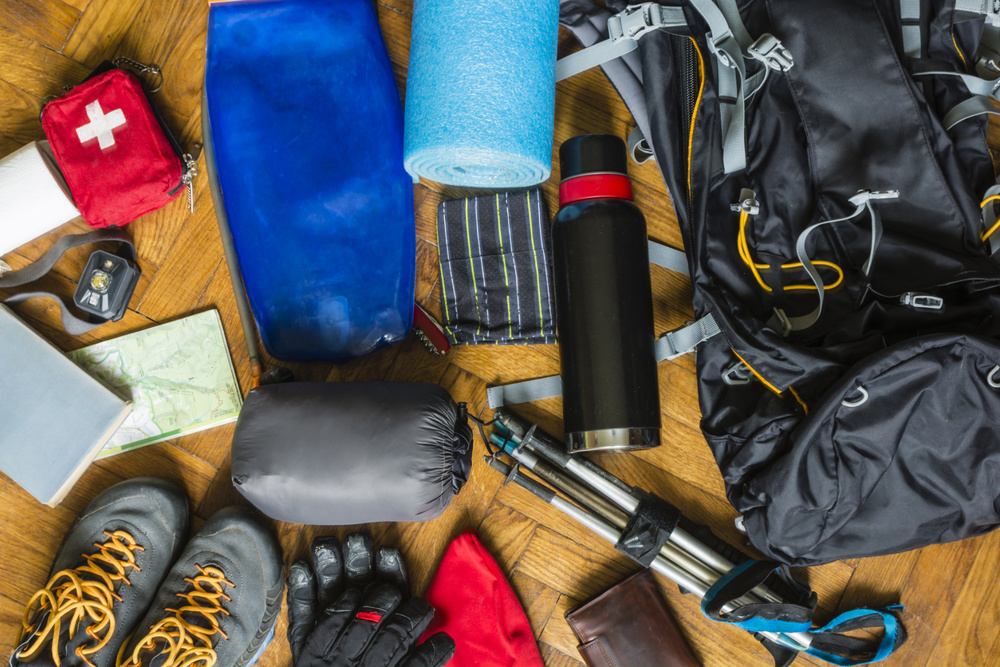
For overnight trips, essential camping gear includes:
- A lightweight tent appropriate for warm weather
- A sleeping bag or quilt designed for mild temperatures
- A sleeping pad for insulation and comfort
- A headlamp or lantern with extra batteries
- A portable stove and cookware
Many campers also bring water containers, biodegradable soap, and a first aid kit for safety and hygiene.
Sun Protection and Clothing for Austin’s Climate
Austin’s climate often includes high temperatures and strong sun exposure, particularly between late spring and early fall.
Outdoor visitors should wear UPF-rated shirts, breathable hiking pants, and wide-brimmed hats to reduce sun exposure.
Sunglasses with UV protection are also recommended, along with broad-spectrum sunscreen (SPF 30 or higher) applied every two hours during prolonged outdoor activities.
Lightweight rain jackets or windbreakers can also be useful during sudden weather changes common in Central Texas.
Hydration Gear and Water Safety for Austin Outdoor Activities
Staying properly hydrated is one of the most important safety considerations for outdoor recreation in Austin’s hot Central Texas climate. Summer temperatures frequently reach the mid-90s°F or higher, and long periods of sun exposure can quickly lead to dehydration.
Visitors exploring trails such as the Barton Creek Greenbelt, McKinney Falls State Park, or the Ann and Roy Butler Hike-and-Bike Trail should carry enough water for their activity.
Common hydration gear includes:
- Insulated water bottles that help keep water cool during hot weather
- Hydration reservoirs or hydration packs worn inside backpacks
- Electrolyte drink mixes or tablets that help replace minerals lost through sweat
Many outdoor experts recommend carrying at least one liter of water per person for every hour of hiking or outdoor activity, especially during summer months.
Planning ahead and bringing sufficient water can make the difference between a comfortable outing and a potentially dangerous situation.
Portable Cooling Gear for Central Texas Heat
Portable cooling gear can make outdoor adventures far more comfortable during Austin’s long summer season.
Popular items include cooling towels, which are designed to stay cold when soaked in water and worn around the neck. These lightweight towels are commonly used by hikers, runners, and cyclists in Central Texas.
Insulated stainless-steel water bottles help maintain cold drinking water throughout the day, while hydration packs with built-in reservoirs allow hikers to sip water without stopping.
Other helpful gear includes lightweight neck gaiters, ventilated hiking hats, and portable misting fans, all of which help reduce heat exposure during extended outdoor activities.
These simple tools are widely used by locals who spend time on Austin’s trails, lakes, and parks during the warmer months.
Bike Shops in Austin: Repairs, Rentals, and Gear
Austin is widely known as a bike-friendly city, with miles of cycling routes and dedicated bike lanes.
Several respected bike shops offer repairs, rentals, and gear:
- Bicycle Sport Shop, a long-standing Austin retailer with multiple locations
- Trek Bicycle Austin Lamar, which provides bike sales, rentals, and service
- Bike Farm, a community-focused shop known for refurbished bicycles and repair services
These shops support cyclists ranging from casual riders exploring the Lady Bird Lake trail to experienced riders tackling longer Hill Country routes.
Backpacks and Daypacks for Austin-Area Day Hikes
A lightweight daypack is useful for exploring Austin’s parks and trails.
Most hikers find that 20–30 liter backpacks provide enough space for water, snacks, sunscreen, and emergency supplies without being overly bulky.
Look for packs with breathable back panels, hydration bladder compatibility, and secure hip straps for comfort during longer hikes.
Short urban hikes or park visits may only require smaller packs around 10–15 liters, which are ideal for carrying water bottles, a phone, and basic supplies.
Multi-Tools and Basic Trail Repair Tools
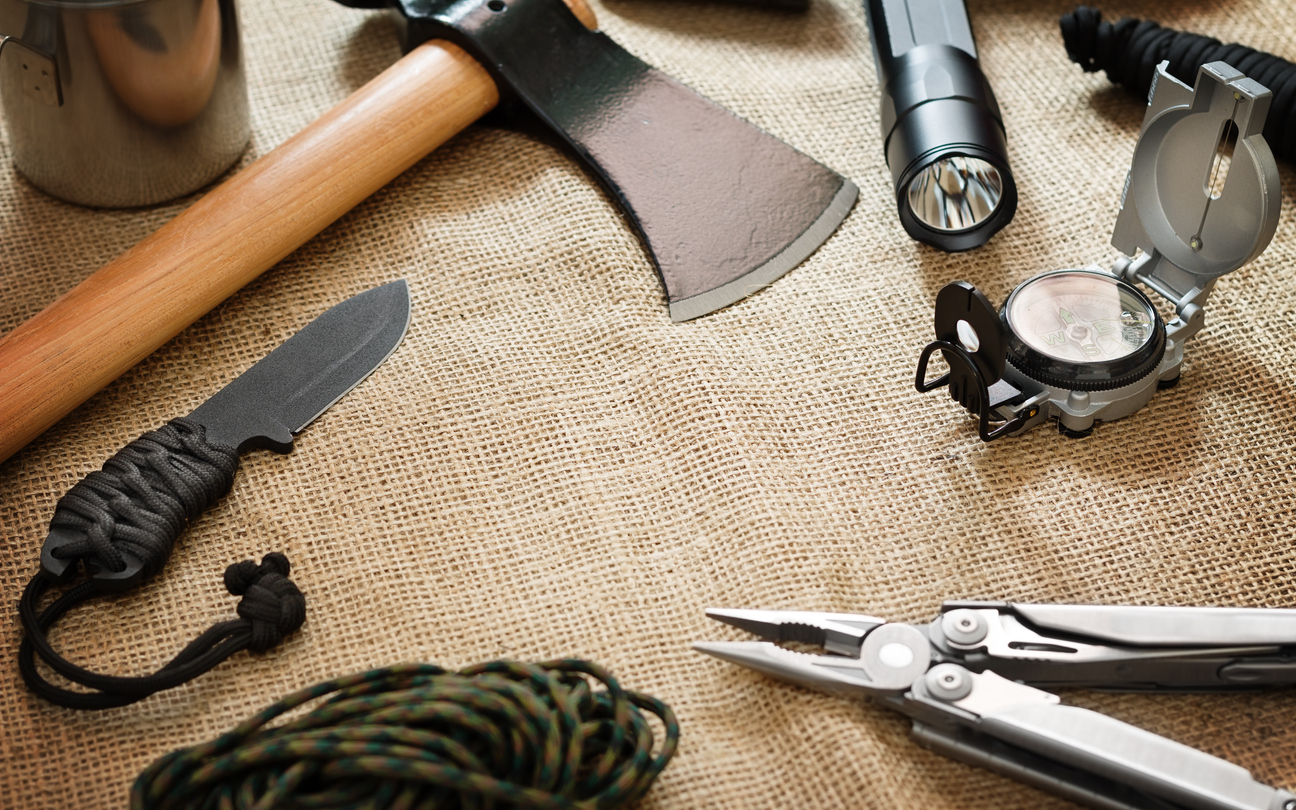
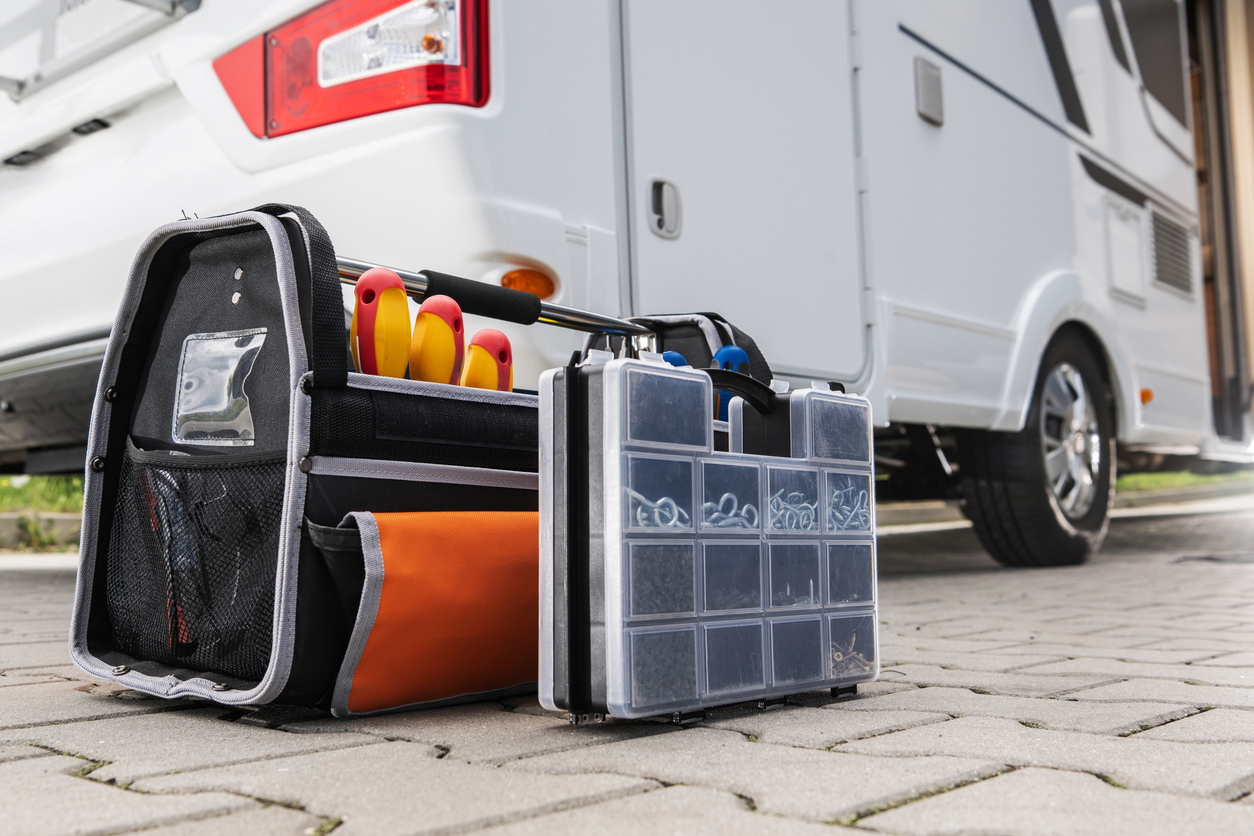
A compact multi-tool can be helpful during outdoor activities, especially for quick gear adjustments or minor repairs.
Many campers carry tools that include pliers, screwdrivers, knife blades, and bottle openers in a single compact device.
These tools can assist with equipment adjustments, cooking gear setup, or emergency repairs during camping or hiking trips.
When visiting parks or trails, travelers should always follow local regulations regarding knives or tools, which can vary by location.
Where to Rent Outdoor Gear Before You Buy
Visitors who want to try outdoor activities without purchasing equipment can take advantage of several gear rental services in Austin.
REI offers seasonal rentals for items such as camping equipment and paddleboards. Some outfitters also provide rental gear for hiking or camping trips.
Many paddling companies around Lady Bird Lake rent kayaks, paddleboards, and canoes, allowing travelers to enjoy the water without transporting their own equipment.
Renting gear is a convenient option for short visits or travelers who want to test equipment before investing in their own outdoor gear.
Guided Outdoor Adventures With Local Outfitters
Visitors who do not have their own outdoor equipment can still enjoy Austin’s natural areas through guided tours and outdoor outfitters that provide gear, instruction, and local expertise.
Several companies offer guided kayaking, paddleboarding, and hiking experiences throughout the Austin area.
Operators such as Austin Kayak Tours and Get Up And Go Kayaking Austin provide guided paddling trips on Lady Bird Lake, often including sunset skyline views and seasonal bat-watching excursions near the Congress Avenue Bridge.
Other outfitters lead guided hiking tours in the Texas Hill Country, where visitors can learn about local geology, wildlife, and native plants while exploring areas outside the city.
These guided experiences are particularly helpful for first-time visitors who want to enjoy Austin’s outdoor recreation opportunities without bringing their own gear.
Navigation Tools and Trail Maps for Greenbelt Hiking
Exploring Austin’s trails is easier with reliable navigation tools and trail maps.
Visitors hiking the Barton Creek Greenbelt can download maps from the City of Austin Parks and Recreation Department website or use mobile apps that provide GPS-enabled trail navigation.
Trail apps such as AllTrails allow users to track location, elevation changes, and route difficulty.
Many Greenbelt trailheads also feature posted maps and informational kiosks, helping hikers orient themselves before entering the trail network.