Top 5 Texas Road Trip Repairs You Can DIY in the Car
When road-tripping across Texas, be prepared to handle these five DIY repairs: jump-starting a dead battery in the scorching heat, changing a flat tire safely on rural highways, applying quick fixes to overheated radiator hoses, replacing worn windshield wipers during storm season, and swapping electrical fuses for uninterrupted travel. Each repair requires minimal tools and basic knowledge that can save you from costly tow services and hours of delay. The following steps will keep your adventure rolling smoothly across the Lone Star State.
Jump-Starting a Dead Battery When the Texas Heat Strikes
When you're stranded on a Texas highway with a dead battery as the summer sun beats down mercilessly, knowing how to safely jump-start your vehicle becomes essential. Texas heat accelerates battery fluid evaporation, affecting battery life maintenance and increasing failure risk. Before jump-starting, check for leaks or damage, and ensure both batteries have the same voltage. Connect cables in sequence: red to dead battery's positive terminal, red to donor battery's positive, black to donor's negative, and black to unpainted metal on your engine block. Ensure the clamps don't touch each other to prevent dangerous electrical shorts. Start the donor vehicle first, wait 2-3 minutes, then try starting yours. After success, disconnect in reverse order, beginning with the black clamp on your car. Drive for at least 20 minutes to recharge properly and help prevent heat-related battery problems from returning.
Changing a Flat Tire on the Side of a Rural Highway
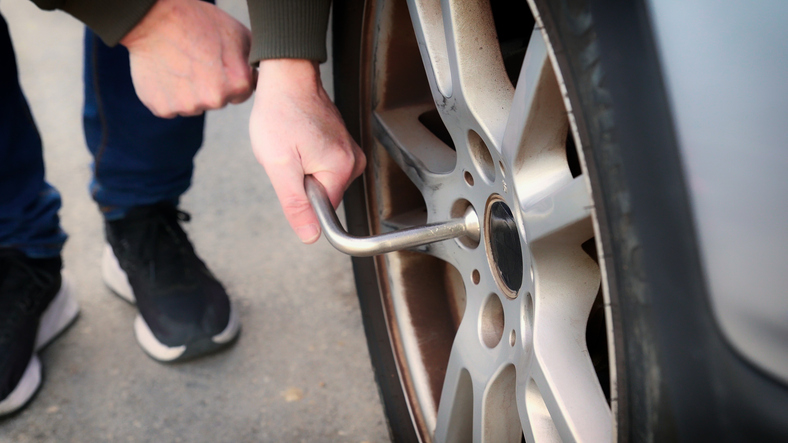
Traversing Texas roads can present more than battery troubles—flat tires often strike when you're miles from the nearest service station. When this happens, prioritize visibility by immediately turning on your hazard lights and setting up reflective triangles if available. Find a flat, firm section of road shoulder safety is critical—avoid soft terrain like sand or mud. After engaging the parking brake and placing wheel chocks, loosen lug nuts before jacking up your vehicle at the designated lift point. Wear reflective gear for additional safety while working on the roadside. Remove the flat tire completely, align your spare with the lug bolts, and hand-tighten nuts in a star pattern. Lower the vehicle partially before fully tightening, then completely lower and remove the jack. Always double-check lug tightness before continuing your journey.
Quick Fixes for Overheated Radiator Hoses
View this post on Instagram
Few Texas road trip challenges are as concerning as the telltale signs of an overheating radiator hose. When you spot coolant puddles under your vehicle or notice swollen, cracked hoses, act quickly to prevent major engine damage. First, safely pull over and let your engine cool completely before inspection. Check for visible damage and tighten any loose clamps. For small leaks, a stop-leak product can buy you time until reaching a mechanic. In emergencies, radiator repair tape or even duct tape can serve as a short-term patch if the hose damage is minor and the system is not under full pressure. Routine hose condition inspections during rest stops can prevent most failures. Feel for soft spots, examine connections for crusty residue, and watch your temperature gauge. Always carry basic supplies—sealant, clamps, coolant, and gloves—for roadside fixes.
Replacing Worn Windshield Wipers During Storm Season
Texas storm seasons demand perfectly functioning windshield wipers for safe travel. When visibility diminishes during heavy rainfall, replacing worn blades becomes essential for your safety. Start by lifting each wiper arm carefully away from your windshield—never let them snap back. Keep the arm supported while removing old blades by pressing the release mechanism. Different vehicles use hook, pin, or clip attachments, so consult your manual if unsure. Install new wipers by attaching the appropriate adapter and clicking them securely into place. Make sure to clean the windshield thoroughly with glass cleaner and a microfiber towel before installation for optimal performance. Consider blade material when purchasing—premium silicone blades often outlast basic rubber options in Texas heat. Test your installation by running wipers at various speeds with washer fluid. Replace blades every 6-12 months to maintain ideal visibility during unexpected storms.
Essential Electrical Fuse Replacements for Uninterrupted Travel
While exploring Texas's vast highways, you'll quickly discover that electrical fuse failures can instantly transform your carefree road trip into a frustrating experience. Always check your vehicle's owner's manual for identifying fuse locations, typically under the dashboard or in the engine compartment. When diagnosing blown fuses, look for broken filaments, discoloration, or melted plastic. Always turn off your vehicle before replacement and use a fuse puller or needle-nose pliers to extract the damaged fuse. Replace with a new fuse of identical amperage rating - never higher. Look for a dead accessory like a power outlet, radio, or wipers as these are common signs that a fuse may have blown. Carry a variety of spare fuses in your glove box for emergencies. If a fuse repeatedly blows, there's likely an underlying electrical issue requiring professional attention. This simple skill can prevent hours of delay on your Texas adventure.