Home Renovation Trends That Took Off Thanks to Reality TV and Pop Culture

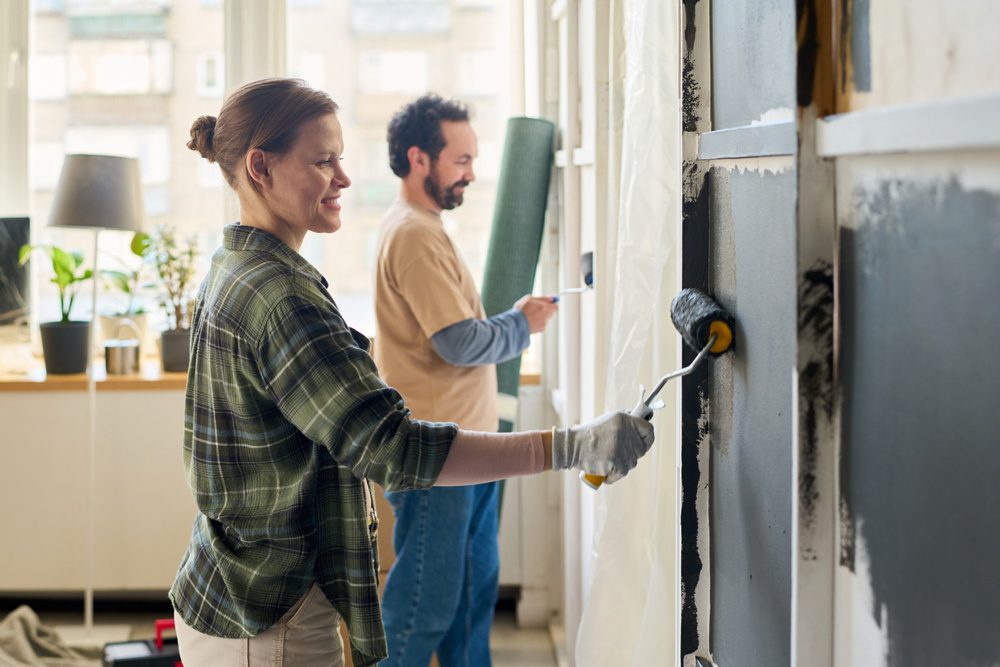
Reality TV didn’t just entertain audiences—it reshaped how people think about their homes. Since HGTV launched in 1994, home renovation has evolved from a practical necessity into something more aspirational, blending lifestyle, identity, and investment. What used to be private decisions about comfort and function gradually became influenced by what viewers saw on screen.
Shows like Fixer Upper, Property Brothers, and House Hunters didn’t just showcase homes—they helped define what “good” design looks like. Over time, this created a shared visual language around renovation, influencing everything from material choices to resale expectations. The result is a housing culture where trends, media, and personal decisions are more connected than ever.
How HGTV Turned Home Renovation Into a National Obsession
When HGTV launched in 1994, it introduced something new: continuous, accessible content centered entirely on homes. Over time, this exposure began to shift how homeowners viewed their living spaces. Homes were no longer just places to live—they became projects to improve, optimize, and showcase.
This shift had measurable effects. Renovation spending increased significantly over the following decades, while home improvement retailers saw sustained growth. More importantly, viewers began approaching their homes with a different mindset—thinking about upgrades not only in terms of comfort, but also in terms of future value.
HGTV didn’t create this behavior alone, but it accelerated it. By consistently presenting polished transformations, it normalized the idea that homes should be updated, styled, and aligned with current trends. Renovation became less occasional and more continuous—something to revisit rather than complete.
The Chip and Joanna Effect: Shiplap, Barn Doors, and Farmhouse Everything
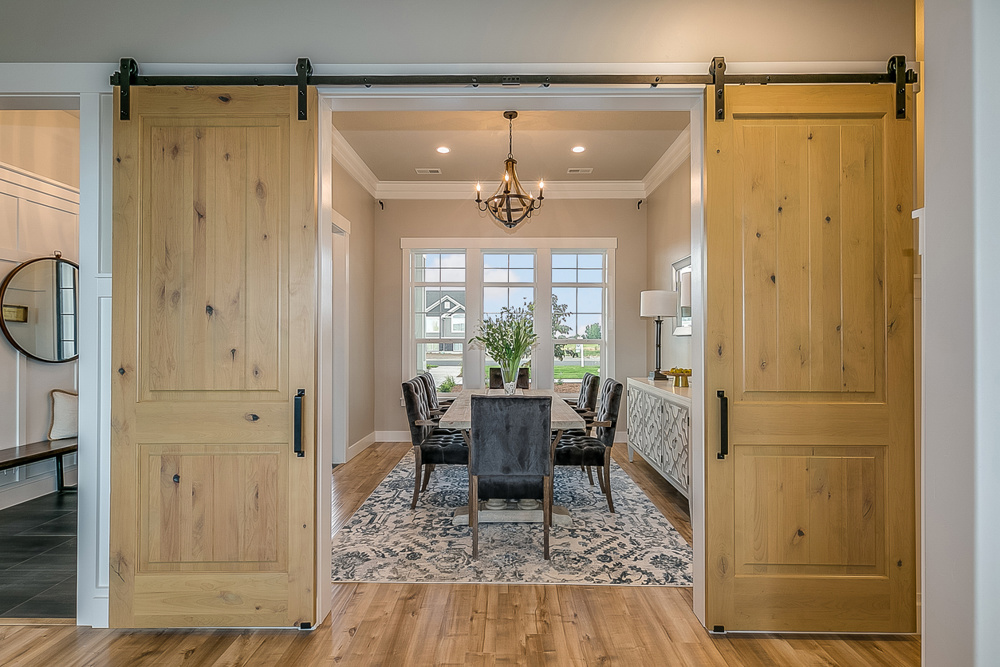
No single show demonstrated HGTV's cultural grip more concretely than Fixer Upper. When Chip and Joanna Gaines debuted in 2013, they didn't just renovate homes — they rewired how you think about interior design. Shiplap, once a Viking-era shipbuilding material, became the defining symbol of farmhouse styling authenticity, appearing on walls, ceilings, and kitchen backsplashes worldwide.
The numbers back it up. The #shiplap alone earned over 613,000 social media mentions, while Google Trends for wall panels climbed from 69 to a peak of 95 by May 2025. Experts note shiplap can boost home value by 5%, and with boards costing as little as $2.50 per square foot, maintenance costs stay manageable.
Barn doors and shiplap aren't trends — they're fixtures. If you've ever tried pulling inspiration from a design website only to be met with a blank screen, it may be because Javascript is disabled or cookies are being blocked, preventing the page from loading properly.
Check out MrPopCulture.com and learn more about pop culture trends in home renovations.
The HGTV Trends That Took Over Every Neighborhood
As renovation shows continued to grow in popularity, they introduced a steady stream of new ideas that gradually became mainstream. These trends didn’t stay on television—they appeared in real homes, often in similar combinations.
Bathrooms began to feature curbless showers, freestanding tubs, and spa-like layouts. Kitchens shifted toward bold cabinetry, open shelving, and expanded storage solutions like butler’s pantries. Outdoor spaces evolved as well, with pergolas, outdoor kitchens, and extended living areas becoming more common.
What stands out is how quickly these ideas spread. Once featured repeatedly on television, they became recognizable and desirable, making them more likely to be adopted. Over time, neighborhoods began to reflect these shared influences, creating a sense of visual consistency shaped by media exposure.
Why HGTV Made Granite Countertops and Subway Tile the New Normal
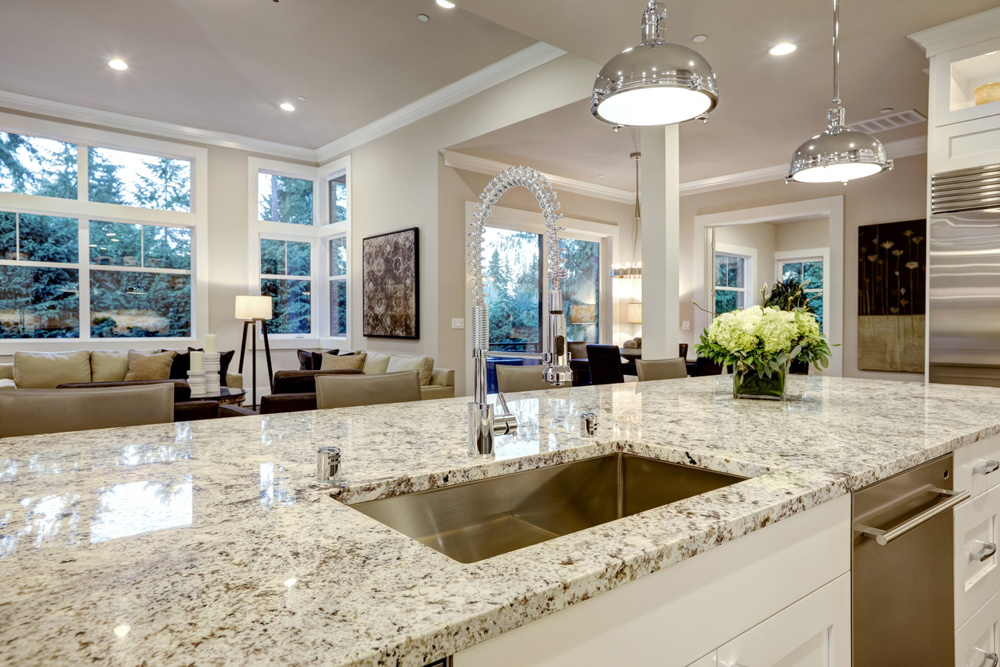
Before HGTV arrived, granite countertops belonged to upscale restaurants and the homes of the wealthy. The network's HGTV influence changed that by broadcasting granite as the standard for quality remodeling into millions of living rooms. House hunters on these shows rejected kitchens without it, and contractors responded by standardizing granite across new construction and model homes.
Containerized shipping and overseas sourcing made granite achievable at middle-class prices, turning a luxury material into an affordable expectation. Subway tile ubiquity followed a similar path. HGTV designers repeatedly paired clean, rectangular tiles with renovated kitchens and bathrooms, training viewers to associate that look with modern style.
You didn't need a designer's budget anymore — you just needed to replicate what you'd watched on television. Much like how websites today can flag and block users when automation tools are detected, television networks began recognizing patterns in viewer behavior to shape and predict what renovation styles audiences would eagerly adopt next.
Why HGTV Is Making Every Home Look Exactly the Same
HGTV didn't just popularize granite and subway tile — it rewired how homeowners think about their own spaces. Researchers at Bucknell University call it "market-reflected gaze," where you imagine invisible critics judging every decor choice, even in private rooms like your bedroom or bathroom. This aesthetic anxiety pushes you toward safe, neutral selections designed for mass appeal rather than personal taste.
The result is market conformity on a massive scale. You're not just choosing beige because you like it — you're choosing it because you fear getting it wrong. Tools like Zillow reinforce this, assigning dollar values to paint colors and turning minor decisions into financial calculations.
For example, a charcoal-gray kitchen can allegedly increase home value by $2,512 on average, while a white kitchen may actually decrease it by $612. Across 30 years, HGTV has quietly transformed homes from personal sanctuaries into near-identical showrooms optimized for hypothetical future buyers.
How HGTV Made Fixer-Uppers Desirable Again
Before renovation shows gained traction, fixer-uppers were often seen as inconvenient or risky investments. HGTV helped reframe them as opportunities—properties with potential rather than problems.
Shows like Fixer Upper demonstrated how dated or neglected homes could be transformed into desirable spaces. By breaking the process into visible stages, they made renovation feel more approachable, even for viewers with limited experience.
This shift influenced buyer behavior. More people began considering properties that required work, seeing them as a way to customize a home or increase value over time. In some markets, features associated with these shows even contributed to higher selling prices, reinforcing the appeal of renovation-focused purchasing.
What HGTV Gets Wrong About Renovation Budgets
Watching an HGTV renovation unfold, you'd never guess the budget on screen bears little resemblance to what a real project actually costs. Production discounts on materials slash prices dramatically — that $1,000 kitchen island likely retails for $3,000. Labor costs for every visible worker are covered by the show, not the homeowner, and demolition expenses simply don't appear in breakdowns.
Permit omissions compound the distortion. Real projects require permits, inspections, and architectural fees that never surface on camera, despite being unavoidable expenses. The permitting process itself vanishes from timelines entirely.
You're also watching staged homes filled with furniture homeowners won't keep. The finished result looks achievable, but what you don't see — the hidden costs, discounted arrangements, and accelerated schedules — makes replicating it nearly impossible. Some episodes of shows like House Hunters are back-produced entirely, meaning the homeowner's on-camera decision was made long before filming began.
Why Homeowners Feel Forced to Renovate on Someone Else's Timeline
In addition to cost, renovation timelines are often compressed for television. Projects that take months in reality are presented as quick transformations, creating the impression that significant changes can happen rapidly.
This can influence expectations. Homeowners may feel pressure to complete projects quickly, even when delays are common. Permits, scheduling conflicts, and material availability all contribute to longer timelines than those shown on screen.
Understanding this difference can help set more realistic expectations. Renovation is rarely a linear process, and timelines are often flexible rather than fixed. Recognizing that can reduce stress and lead to better planning decisions.
What Homeowners Are Actually Spending to Chase HGTV Trends
The numbers behind HGTV-inspired renovations are staggering — homeowners are on track to spend $522 billion on home improvements in 2026, approaching the pandemic-era peak of $567 billion in 2022. Social media splurges are partly driving this surge, pushing kitchens and bathrooms to represent 30% of total spending.
But here's what those dreamy renovations actually cost you: a minor kitchen remodel runs $27,492, while a major upscale kitchen hits $158,530. A primary suite addition averages $164,649. The ROI tells a sobering story — that upscale kitchen returns just 38% immediately.
Before chasing trends, consider neighborhood resale value. Strategic upgrades like garage door replacements yield 193.9% ROI, proving that smaller, targeted improvements often outperform the dramatic overhauls you see on television. With the mortgage lock-in effect keeping many homeowners in place rather than relocating, renovation demand continues to climb as owners choose to improve their current homes instead of trading up.
Where Home Renovation Trends Are Heading Next
As media and technology continue to evolve, renovation trends are likely to become even more dynamic. Sustainability, smart home integration, and multifunctional spaces are already gaining traction, reflecting changing priorities around efficiency and adaptability.
At the same time, there’s growing interest in personalization. After years of standardized trends, some homeowners are moving toward more individualized designs that reflect personal taste rather than market expectations.
The influence of pop culture will likely remain strong, but it may become more diverse. Instead of a single dominant style, future trends may emerge from a wider range of sources, allowing for greater variation in how homes are designed and experienced.
Conclusion
Reality TV and pop culture have reshaped home renovation in ways that extend far beyond design trends. They’ve influenced how people think about value, identity, and what a home should be. As these influences continue to evolve alongside social media and new technologies, the future of renovation will likely balance inspiration with individuality.
The most successful spaces won’t just follow trends—they’ll reflect how people actually want to live. In that shift, the role of media remains clear: not just showing what homes look like, but shaping what they can become.